How Fabric Texture and Tactile Comfort Are Influencing Home Textile Design Choices
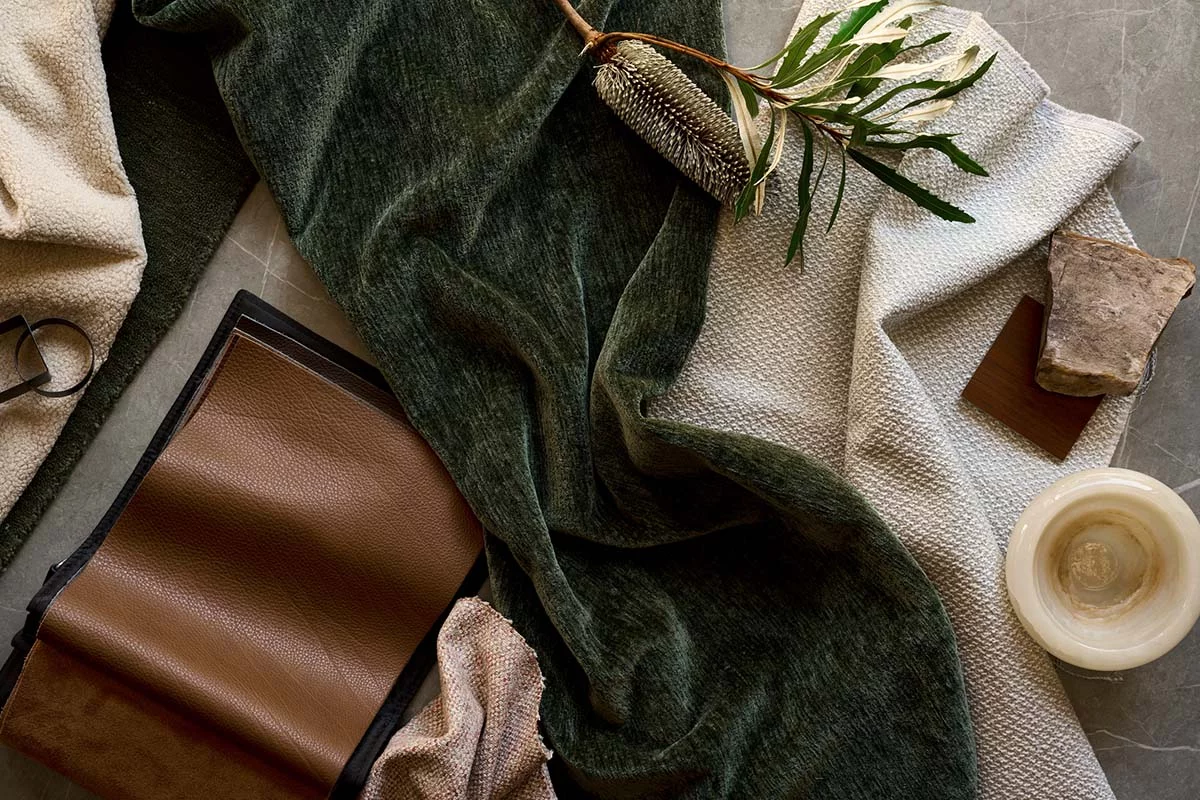
Home textile design is shaped by more than colour palettes and printed patterns. The way a fabric feels, falls, drapes, and responds to everyday use can influence whether consumers choose it for bedding, curtains, upholstery, or decorative accessories.
As buyers consider the experience of using a product alongside its appearance, texture and tactile comfort are becoming important considerations in Home Textile Fashion Trends. For designers and manufacturers, this creates a need to balance visual appeal with material selection, fabric construction, and practical performance.
Why Texture Matters Beyond Appearance
Two fabrics can share a similar colour while creating very different impressions. A smooth cotton percale sheet, a brushed fabric, and a textured woven material each offer a different surface experience.
These differences affect how products are perceived and where they are used. Smooth, lightweight fabrics may suit consumers who prefer a crisp appearance, while brushed or softly textured materials can appeal to buyers seeking a warmer, more relaxed feel.
In curtains, texture influences how fabric hangs and how light interacts with its surface. In upholstery, the weave and surface finish can contribute to the visual depth of a room. In cushion covers and throws, texture can provide contrast without requiring bold colours or elaborate prints.
Designers therefore need to consider fabric character as part of the complete product rather than treating it as a finishing detail.
Fabric Construction Shapes the User Experience
Tactile comfort depends on several factors, including fibre composition, yarn characteristics, weave or knit structure, finishing treatments, and fabric weight.
A fibre name alone does not fully describe how a finished textile will feel. Different constructions made from the same fibre can produce different levels of softness, drape, surface texture, and breathability.
Finishing processes can also change the hand of a fabric. Mechanical brushing, for example, can create a softer surface, while other finishing methods may alter smoothness, stiffness, or drape. The final result depends on the material and process used.
For manufacturers, this means product development should involve evaluating the finished fabric rather than making design decisions based only on fibre specifications or appearance in a digital image.
Physical sampling remains valuable because photographs cannot reliably communicate softness, surface friction, thickness, or drape. Buyers assessing a new collection should examine samples under appropriate conditions before confirming larger orders.
Balancing Comfort With Everyday Performance
A fabric that feels attractive during sampling must also perform appropriately in its intended application.
Bedding materials may be evaluated for skin comfort, breathability, laundering behaviour, and dimensional stability. Curtain fabrics require suitable drape and light-management characteristics for their intended use. Upholstery fabrics may need to meet relevant abrasion, seam-strength, and maintenance requirements.
These priorities can sometimes conflict. A delicate surface finish may create a desirable appearance but require more careful maintenance. A heavily textured material may offer visual depth while collecting lint or presenting cleaning challenges, depending on its construction.
Manufacturers should communicate these trade-offs clearly. Claims such as easy-care, washable, or durable should reflect the actual product specification and appropriate testing.
The most successful design choice is not necessarily the softest fabric or the most elaborate texture. It is the material that delivers the intended experience while meeting the practical requirements of its application.
Texture as a Tool for Interior Coordination
Texture also gives designers a way to create variation without introducing too many competing colours or patterns.
For example, a bedroom can combine smooth bed linen with a textured throw and woven cushion covers. A living room can pair plain curtains with a more pronounced upholstery weave. These combinations can create visual depth while maintaining a coordinated appearance.
This approach is useful for collections designed around neutral colours, where differences in surface character help distinguish products that might otherwise look similar.
Manufacturers can develop coordinated ranges by selecting complementary textures across multiple product categories. However, matching the exact surface characteristics of different fabrics is not always possible, particularly when their intended functions and constructions differ.
Product photography should therefore show both the overall design and close-up surface details. Clear descriptions of fabric composition, construction, weight where relevant, and care requirements can further help buyers understand the product.
What Textile Businesses Should Consider
Design teams can strengthen product development by gathering feedback on fabric feel, perceived quality, preferred textures, and maintenance expectations. Buyer samples, product reviews, returns, and sales performance can help identify which characteristics matter to particular customer groups.
Manufacturers should also consider how texture behaves after repeated washing or use. A finish that changes significantly over time may affect customer satisfaction, even when the fabric initially feels appealing.
For retailers, useful product information should explain the intended use rather than relying on vague terms such as luxurious or premium. Specific descriptions make it easier for customers to compare products and select materials that suit their needs.
Designing for Both Feel and Function
Texture and tactile comfort provide opportunities to differentiate home textile products, but they work best when supported by sound material selection and realistic performance expectations.
The direction of Home Textile Fashion Trends is not simply toward softer or more textured fabrics. Different consumers seek different experiences, and each application places different demands on the material.
Designers who connect surface character with comfort, care, durability, and interior coordination can develop more useful collections. For manufacturers, this means treating fabric feel as a measurable part of product development rather than an aesthetic decision made at the end of the process.
For more updates on home textiles, manufacturing developments, product innovations, and industry trends, visit Home Textile Views.


Comments
Post a Comment