How Automation and Digital Production Are Transforming Textile Manufacturing
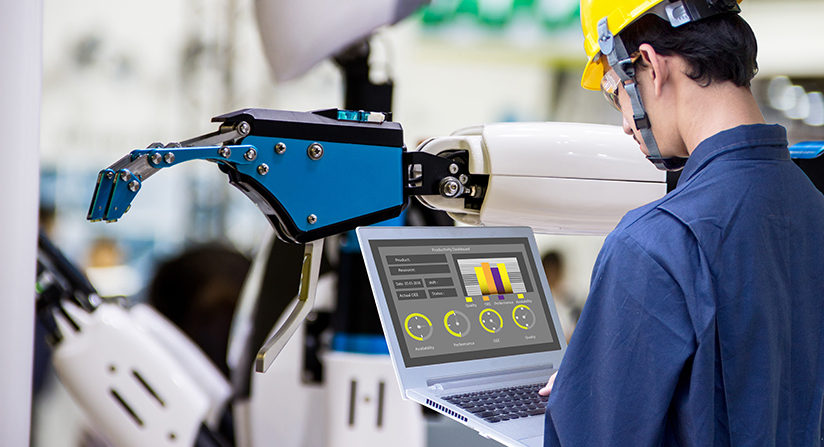
Textile manufacturing has traditionally relied on a combination of skilled workers, specialised machinery, production planning, and quality-control processes. As technology continues to develop, automation and digital production systems are becoming increasingly relevant to how textile products are manufactured.
The impact extends across different stages of production, from planning and cutting to sewing, inspection, inventory management, and production monitoring. These developments are becoming an important part of Textile Manufacturing Industry News as manufacturers explore ways to improve efficiency and maintain consistent production standards.
Automation Across Production
Automation can be introduced at different stages of textile manufacturing. Automated cutting systems, digital pattern-making tools, computer-controlled machinery, and automated material-handling systems can reduce the amount of repetitive manual work required in certain processes.
The extent of automation varies depending on the product, factory, machinery, production volume, and manufacturing requirements.
Rather than replacing every manual process, automation can often be used selectively where repetitive or highly standardised operations are suitable for technological assistance.
Digital Production Planning
Digital systems are also influencing production planning. Manufacturers can use software to organise orders, production schedules, materials, and workflow information.
Better coordination can help production teams understand what needs to be manufactured, when it is required, and which resources are involved.
Digital planning is particularly relevant when manufacturers manage multiple products or changing production requirements.
Improving Production Consistency
Consistency is an important consideration in textile manufacturing. Products need to meet defined specifications across production runs, particularly when manufacturers are supplying large orders.
Automated and computer-controlled equipment can help maintain consistent settings during suitable manufacturing operations. Digital monitoring can also provide information that helps production teams identify potential issues.
However, technology does not eliminate the need for skilled workers. Human expertise remains important for machine operation, maintenance, quality assessment, troubleshooting, and production management.
Digital Quality Control
Quality control is another area where technology is developing. Digital inspection systems can assist with identifying certain defects or inconsistencies in fabrics and finished products.
Such systems can support human inspectors by making inspection processes more systematic. The appropriate approach depends on the type of textile product and the manufacturing environment.
Combining technological tools with experienced quality-control personnel can help manufacturers create more structured inspection processes.
Data-Driven Manufacturing
Connected machinery and digital production systems can generate information about manufacturing processes. This data can help businesses understand production performance and identify areas that may require attention.
Over time, manufacturers may use production information to improve scheduling, maintenance planning, inventory management, and resource utilisation.
The usefulness of data depends on how accurately it is collected and how effectively teams use it in decision-making.
Workforce Skills Are Changing
As manufacturing becomes more digital, the skills required within textile factories are also evolving. Workers may increasingly need experience with digital interfaces, automated equipment, production software, machine maintenance, and data-based processes.
Training therefore becomes an important part of technological adoption.
Manufacturers need to consider not only the purchase of new machinery but also the people who will operate, maintain, and manage these systems.
Challenges of Digital Transformation
Automation and digitalisation also involve challenges. Investment costs, machine integration, maintenance requirements, software compatibility, training, and production changes can affect implementation.
Manufacturers need to evaluate technology according to their specific products and production requirements rather than adopting automation simply because it is available.
A practical approach may involve gradually introducing digital tools where they provide clear operational value.
The Future of Textile Manufacturing
Automation and digital production are becoming important elements of modern textile manufacturing. Their influence can be seen in production planning, machinery, quality control, data management, and workforce development.
Future developments will likely involve a combination of automated equipment, digital systems, and human expertise rather than a complete replacement of traditional manufacturing knowledge.
For businesses following Textile Manufacturing Industry News, these developments offer an important view of how production is evolving. Home Textile Views covers industry developments and trends that are shaping the wider textile and home furnishing sector.


Comments
Post a Comment